Reimagining Youth Leadership in Michigan: Inside The Becoming Initiative at Grand Ledge High School
Less than 20% of young people in low-income communities have access to leadership programs. At the same time, 4 in 10 U.S. high school students report persistent feelings of sadness or hopelessness.
What would it look like to design a youth leadership program that centers well-being, access, and belonging, not just achievement?
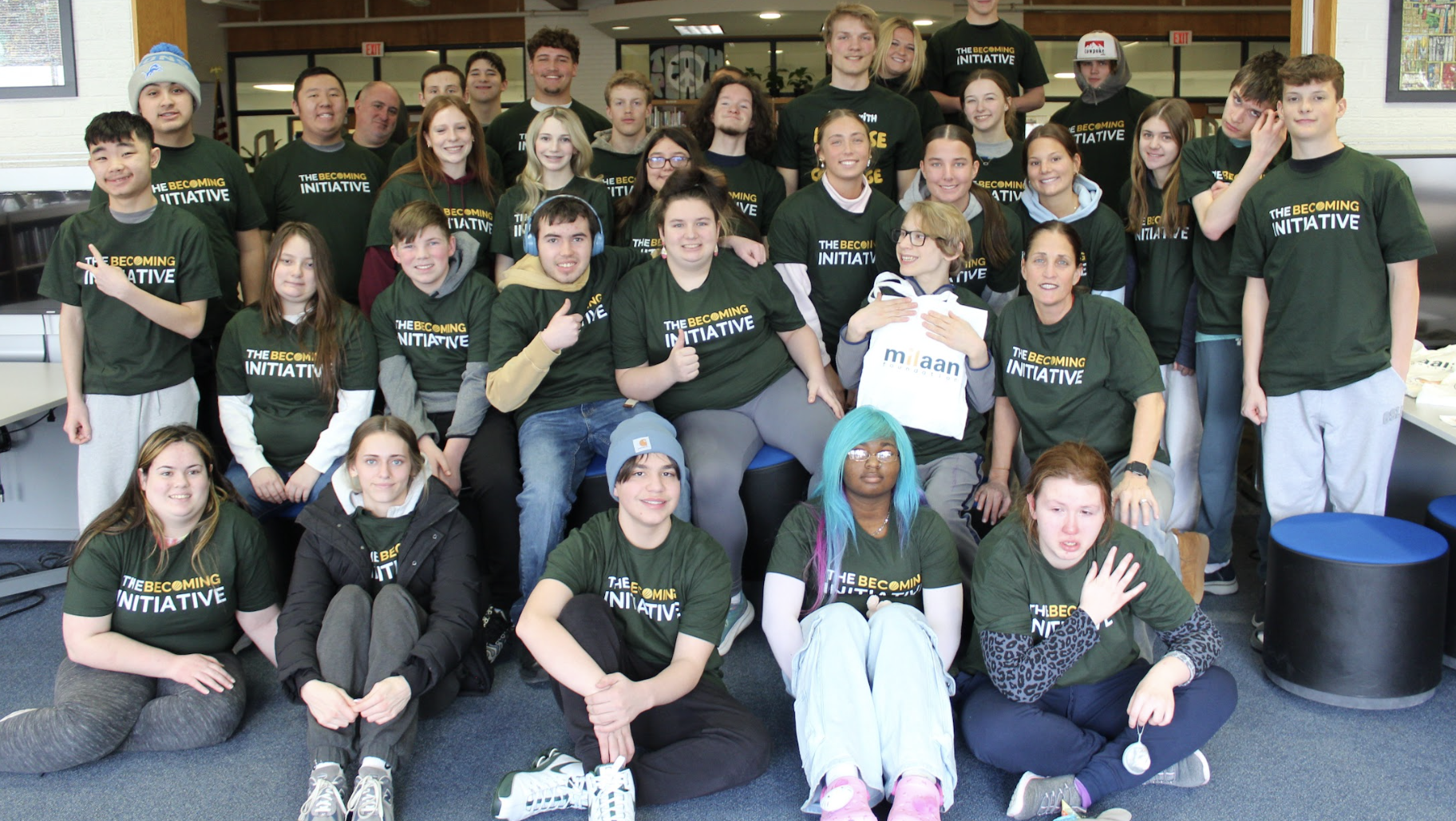
That question led to the creation of The Becoming Initiative, Milaan Foundation’s youth leadership and well-being program in Michigan. Now piloting at Grand Ledge High School, the program is redefining what teen leadership development can look like when every student is invited to lead.
We spoke with Kendra, Milaan Foundation’s Director of Programs & Operations and Natalie, the Unified Coordinator from Grand Ledge High School, our pilot school partner, about why this work matters now more than ever.
Kendra, what gap did you see in youth leadership programming in the U.S.?
KN: Many teen leadership programs across the United States are designed for high-achieving students who already have access to enrichment opportunities. The Becoming Initiative intentionally shifts that approach.
We center the strengths, aspirations, and lived experiences of youth who may not traditionally have access to leadership development. Through this lens, the program cultivates well-being, leadership capacity, and future-ready skills.
Participants gain tools, mentorship, and real-world experiences that help them navigate challenges, pursue higher education or career pathways, and lead with purpose in their communities. At the same time, we address systemic inequities by reducing geographic and financial barriers through hybrid program models.
How did Milaan Foundation’s experience in India shape the U.S. program?
KN: Milaan has long centered youth voice and leadership across programs in India, Uganda, and now the United States. The Becoming Initiative builds on the legacy of our flagship Girl Icon Program, which cultivates leadership, life skills, and well-being among adolescent girls in India.
The impact of Girl Icon has shown us what’s possible when young people are trusted and equipped to lead.
While the contexts in India and the U.S. differ, there are striking parallels, particularly around unequal access to mentorship, enrichment, and leadership development. The Becoming Initiative adapts the core elements that drive impact, youth voice, structured reflection, and community action for high school students in Michigan.
The Grand Ledge pilot is a unique partnership with Grand Ledge High School’s Unified Program, which brings together teens with disabilities and their peer mentors. Natalie, what makes this program different? What are you noticing about how students show up?
N: What stands out is that it’s tailored for all our students’ abilities. The hands-on projects allow students to apply what they’re learning in meaningful ways. It goes beyond discussion to action.
Students seem relaxed during the sessions. They enjoy working together and learning different perspectives.
During one session, students collaborated on a community impact idea. Each participant contributed in their own way, through voice, drawing, action, or thoughtful choices. The result wasn’t just a project. It was shared ownership.
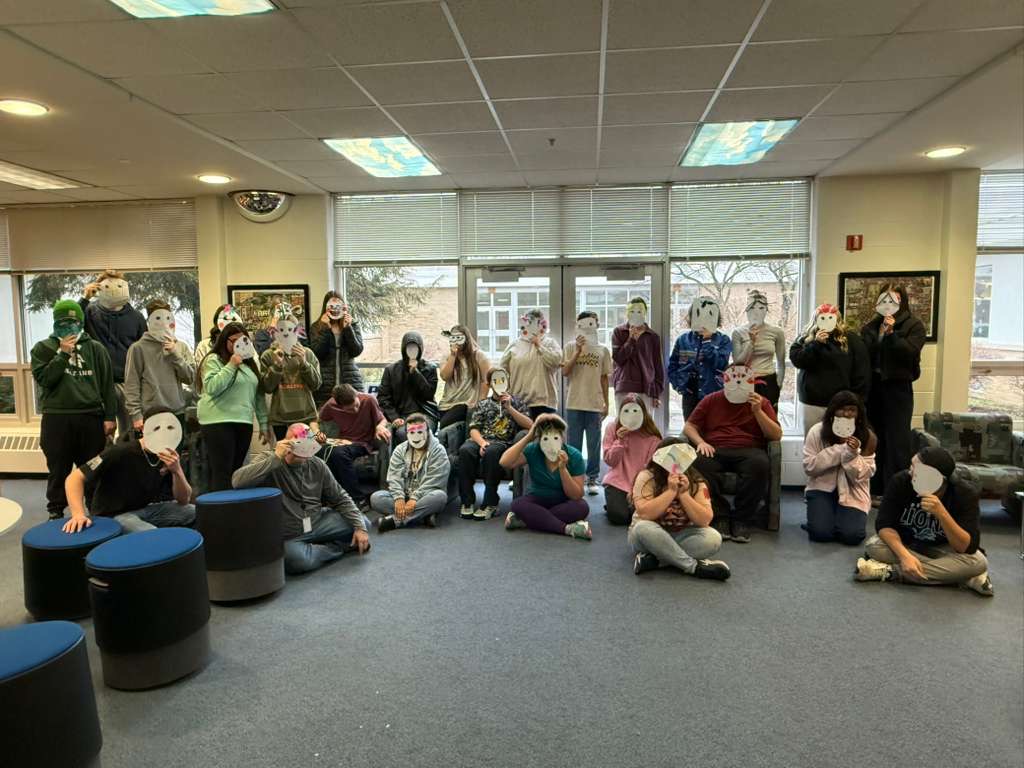
At the end of the cohort, Kendra hopes participants leave feeling energized by their growth.
“I hope they feel energized by the progress they’ve made throughout the class. I hope they leave with a deeper understanding of themselves, carry empathy into their relationships with others, and recognize the impact they can have within their communities.”
Natalie sees a culture shift emerging at Grand Ledge High School:
“I am excited about how the student body works together. Each student has a role in their own way. Whether it be a voice, action, drawing, and/or choice…..everyone can be a leader in one way or another. I appreciate the students are learning that everyone’s ability has value and it needs to be respected. It is becoming the culture at GLHS!”
If you are a student, parent, or educator interested in bringing inclusive youth leadership development to your community, learn more here.